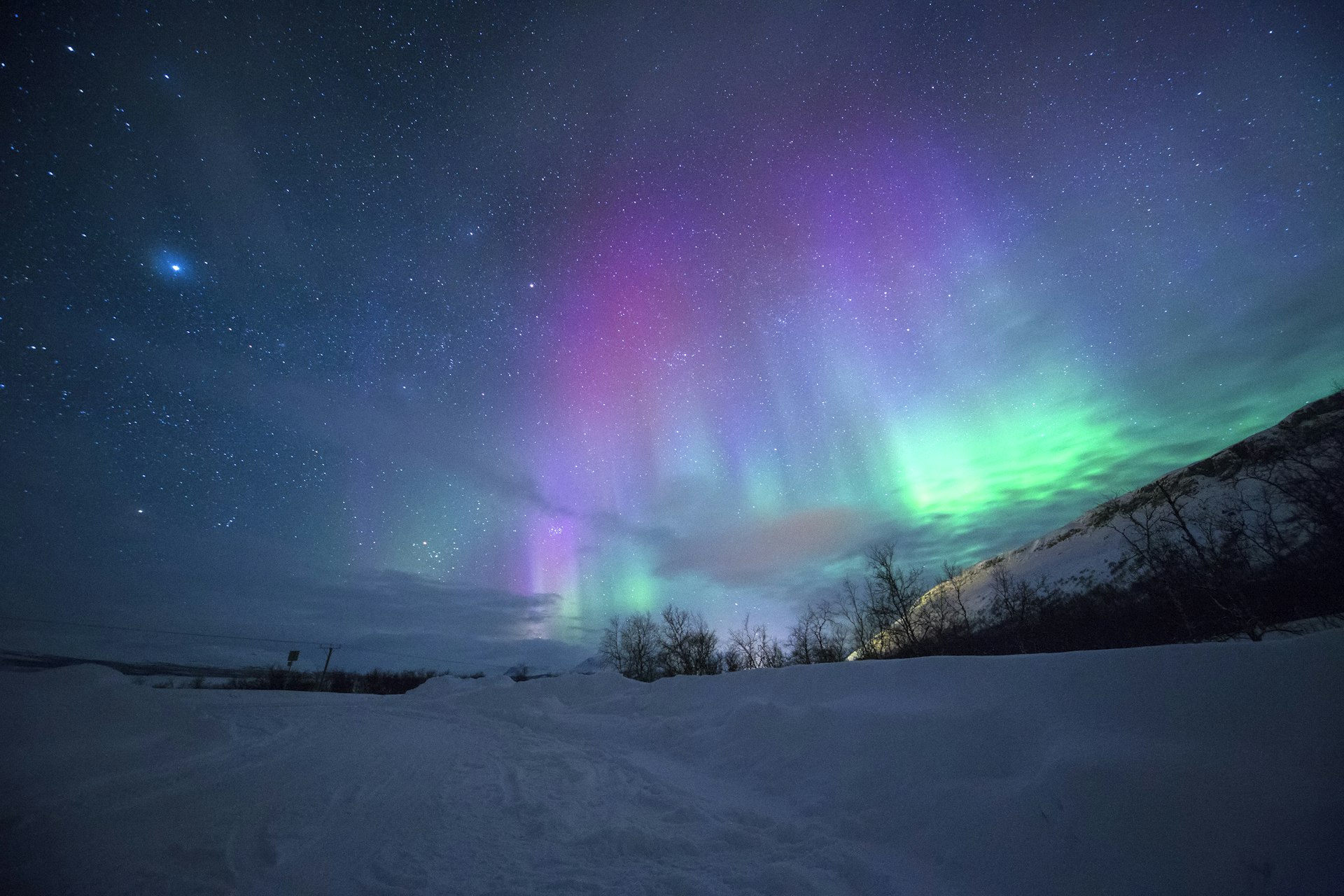
Land of the Northern Lights
Arctic Norway
Fjords carved by millennia, lit by the aurora or the midnight sun — from Tromsø to Svalbard through one of Earth's most dramatic coastlines.
Plan Your VoyageWhere Light Becomes the Landscape
Arctic Norway is defined by extremes of light — the midnight sun that never sets in summer, the northern lights that paint winter skies, and the blue twilight of polar night that turns the fjords into something otherworldly. Expedition vessels navigate from Tromsø through the Norwegian coast to the Svalbard archipelago, where polar bears roam glacial shores and Viking history lingers in every settlement. This is a place where the relationship between light, water, and stone creates a landscape that changes by the hour.
Fjords and mountains along the Arctic Norwegian coast
Signature Encounters
What Awaits
Northern Lights Over the Fjords
From September through March, the aurora borealis transforms Arctic Norway's night sky into a canvas of green, violet, and crimson light. Witness this phenomenon from the deck of your vessel, anchored in a silent fjord far from any artificial light.
Polar Bear Encounters in Svalbard
The Svalbard archipelago is home to more polar bears than people. Expedition vessels navigate pack ice and glacier-carved coastlines where these apex predators hunt, rest, and raise their cubs in one of the most remote habitats on Earth.
Midnight Sun Voyages
From June through August, the sun never sets above the Arctic Circle. Navigate through 24-hour golden light, with time stretching impossibly as you explore puffin colonies, whale-rich waters, and coastal villages steeped in Viking heritage.
When to Go
The Arctic Seasons
From midnight sun to polar night, each season reveals a different Arctic Norway — all extraordinary.
June – August
Midnight Sun
24-hour daylight, warmest temperatures, puffin colonies nesting, whale watching peak. The landscape is alive with color and wildlife activity.
September – October
Aurora Season
Prime northern lights viewing begins, dramatic autumn colors, whale migrations, and fewer travelers. The perfect balance of light and dark.
November – February
Polar Night
Peak aurora intensity during the blue twilight of polar night. Snow-covered landscapes, unique atmosphere, and the most dramatic light shows on Earth.
March
Returning Light
Daylight returns with late aurora opportunities, pristine snow, and crisp Arctic air. Ideal for winter activities and photography.
Expedition Partners
Our Recommended Operators
Operators with deep Arctic Norwegian heritage and commitment to responsible polar exploration.
Hurtigruten Expeditions
Norwegian heritage · hybrid-electric vessels
Operating the world's first hybrid-electric expedition ships along the Norwegian coast. Strong sustainability credentials, excellent onboard science programs, and over 130 years of Arctic Norwegian sailing heritage.
Aurora Expeditions
Adventure-focused · X-Bow technology
Purpose-built vessels designed for polar waters with innovative hull technology for smoother sailing. Known for active adventure programs including sea kayaking and expert naturalist teams.
Our Commitment
Traveling Responsibly
Every expedition we curate is with operators committed to conservation, community support, and minimal environmental impact. We believe the privilege of visiting these places comes with the responsibility to protect them.
Learn about our approachFrequently Asked Questions
An Arctic Norway expedition cruise navigates the dramatic coastline from Tromsø to Svalbard aboard small expedition vessels, offering encounters with polar bears, walruses, Arctic foxes, and seabird colonies. These voyages explore deep fjords, remote islands, and historic Arctic settlements.
The prime aurora season runs from September through March, with peak intensity during the polar night months of November through February. Clear, dark skies away from light pollution offer the best viewing conditions.
Polar bears are found primarily in the Svalbard archipelago, which hosts a population of approximately 3,000 bears. Summer expeditions (June-August) offer the best chances for sightings along the pack ice edge.
Layer-based clothing is essential: thermal base layers, fleece mid-layers, and a waterproof outer shell. Most operators provide expedition parkas and boots. Bring quality binoculars, camera equipment with extra batteries, and sun protection for midnight sun voyages.
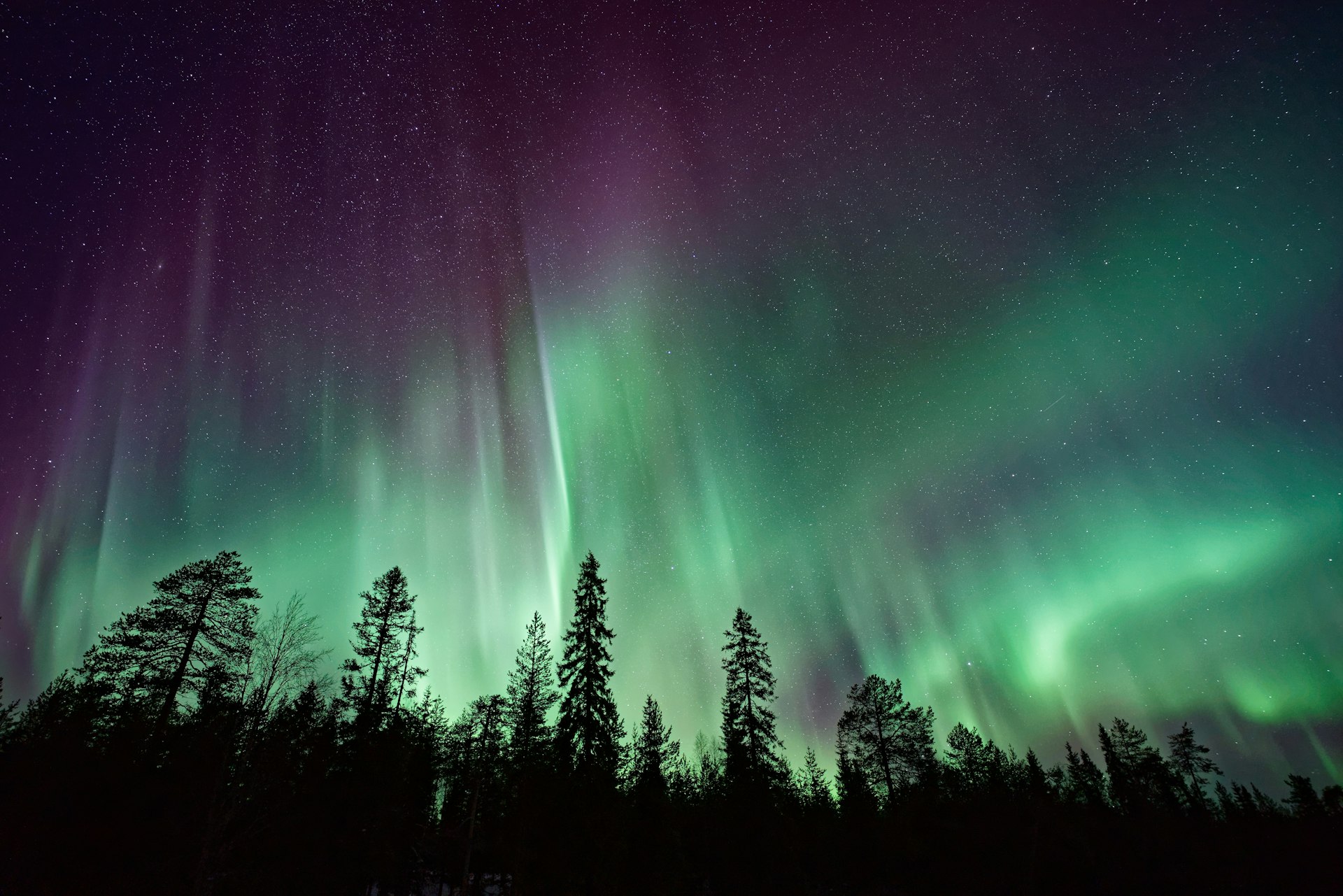
Begin Here
Begin Planning Your Arctic Voyage
Northern lights or midnight sun — tell us what calls to you and we'll craft an expedition around it.
Find Your Travel Style