
Most companies still treat incentive travel as a perk. The companies winning the talent war in 2026 treat it as a compensation instrument — measured, modeled, and defended at the board level. The data backs them.
The $180 Billion Reality
The global incentive travel industry is now valued at roughly $180 billion and growing at approximately 8% per year. That is not a perk-economy number. That is a compensation-strategy number, and it is showing up on the P&L of every company serious about retaining top performers in a labor market where the cost of replacing a high performer routinely runs 1.5x to 2x their annual salary.
The Incentive Research Foundation's most recent benchmarks show that organizations running structured, well-designed incentive travel programs report measurably stronger retention, higher engagement scores, and meaningful productivity lift in the quarters following the trip. The trip is the visible artifact. The behavior change is the asset.
Why Incentive Travel Outperforms Cash Bonuses
Cash bonuses get spent and forgotten. A curated expedition with a spouse or partner gets remembered for a decade and retold at every dinner party in between. The neuroscience is unambiguous: shared, novel, high-emotion experiences encode as long-term identity memory in a way a wire transfer never will.
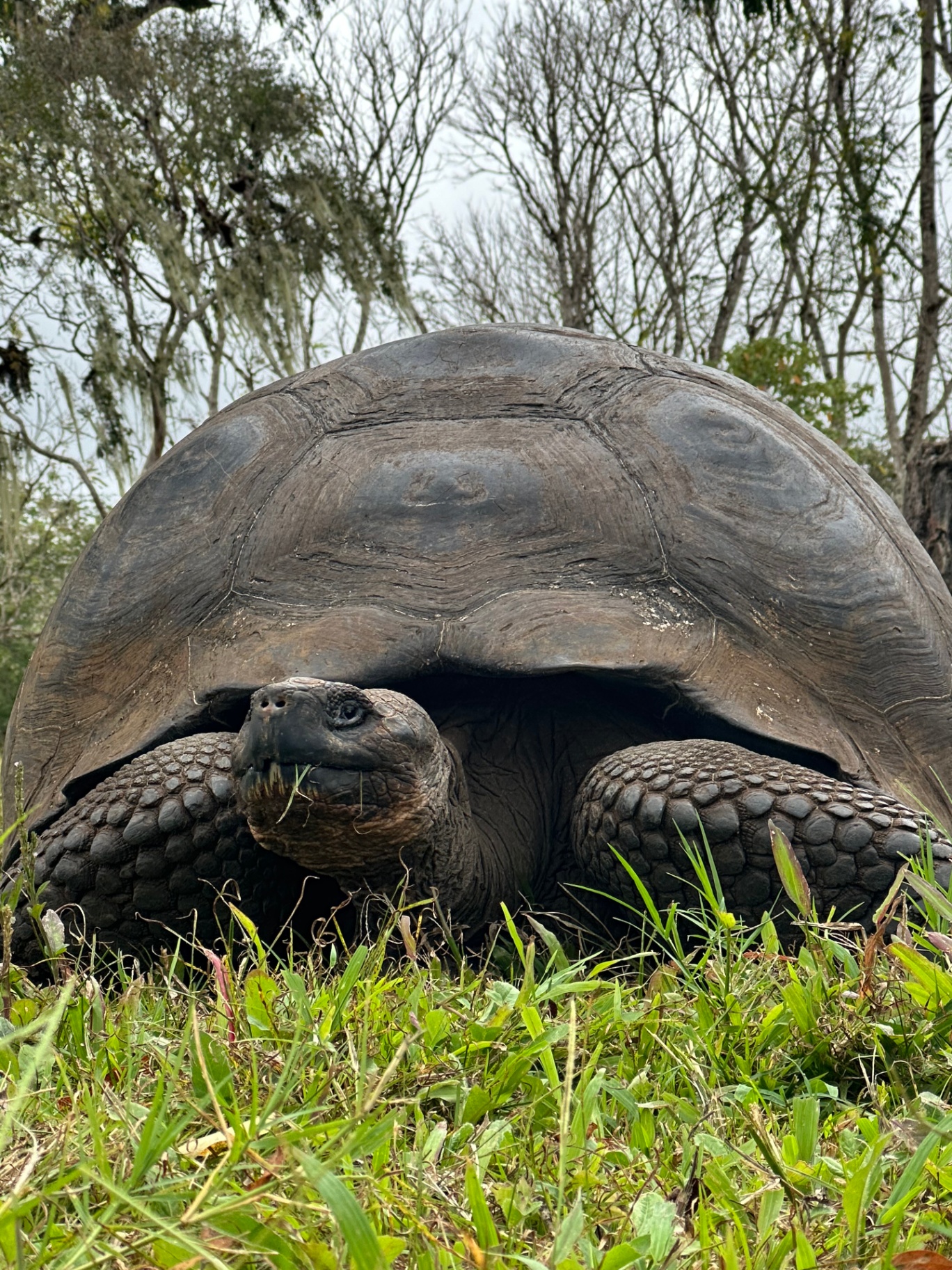
That memory is the retention mechanism. When a top performer is recruited away nine months later, the question they ask themselves is not "what is my new comp number." It is "do I want to walk away from the company that sent us to the Galápagos." That is a different conversation, and it is the conversation incentive travel is designed to create.

What Modern Programs Actually Look Like
The 2026 incentive program is not a beach resort with a banner. It is a privately curated journey designed around three elements: a destination the recipient could not easily replicate themselves, a level of operational polish that signals the company's regard for them, and a structure that allows the recipient to bring the person who matters most to them. Expedition cruises — Antarctica, Galápagos, Arctic Norway — perform exceptionally well in this category because they clear all three bars simultaneously.
A well-designed program also clears a fourth bar: it is not a logistics nightmare for the executive sponsor. The work of vetting operators, negotiating private group terms, managing flight logistics, handling dietary and medical specifics, and producing the welcome materials should never land on an HR team. That is what an advisor does.
Measuring the Return — The Part Most Companies Skip
The reason incentive travel still gets cut in some boardrooms is that it is rarely measured properly. A serious program tracks four outputs: qualifier behavior (sales lift, performance metric movement during the program period), retention savings (attrition cost avoided in the 12 months following the trip), productivity gains (performance delta before and after), and engagement lift (survey scores before and 90 days post-trip).
If you are not measuring these outputs, you are running a cost center, not an investment. If you are measuring them, the ROI math typically clears 3x to 7x program cost within 18 months — and that is before the recruiting and employer-brand effect of having a program competitors do not.
The Personal Layer: Why I Build These Programs Myself
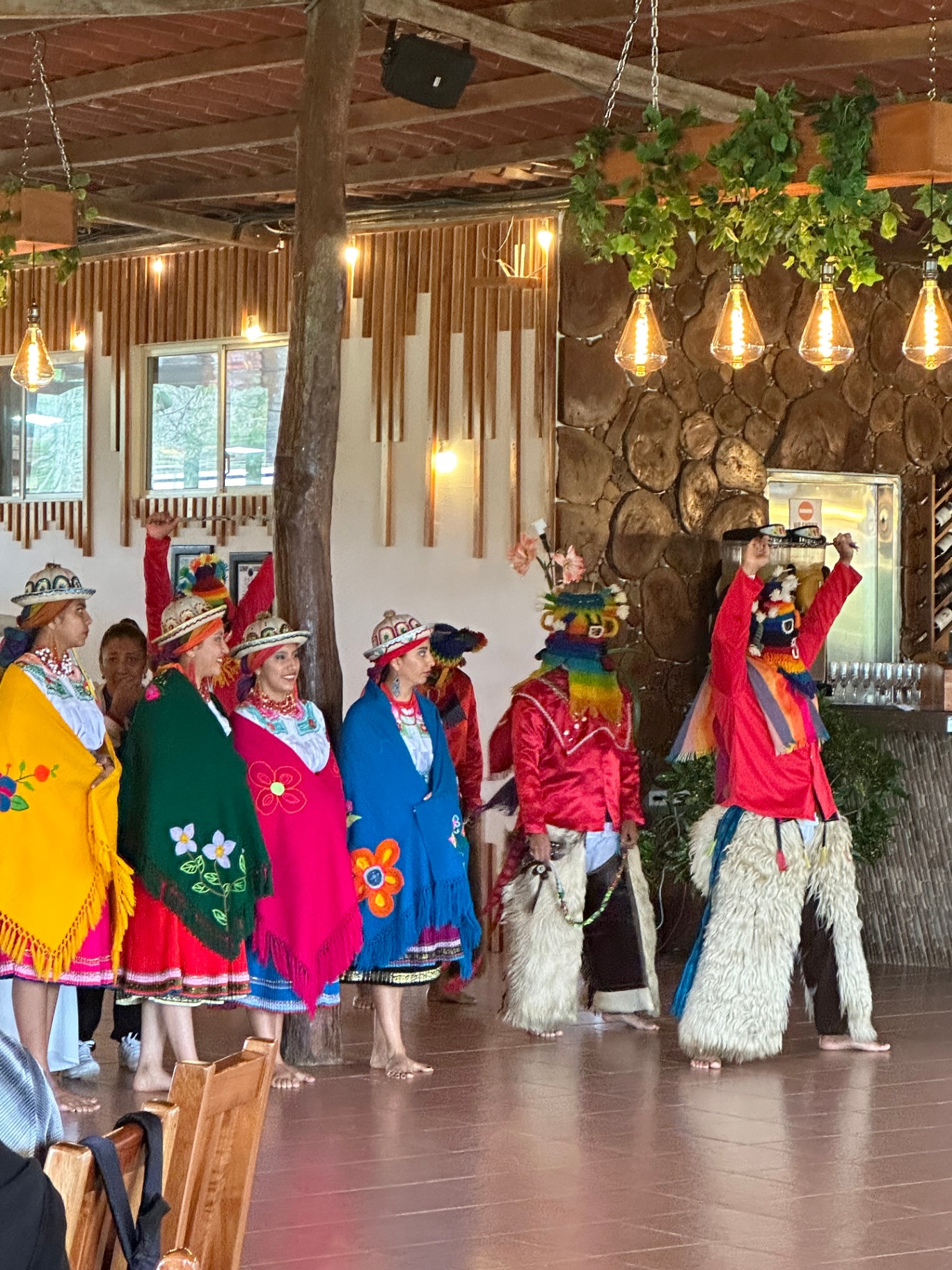
I have spent years on both sides of this equation — running hotel operations where incentive groups arrived, and now designing the journeys those same groups travel on. The difference between a program that lands and a program that fades is almost never the destination. It is the curation: the room assignments, the surprise moments, the private guide who knows the recipient's name on day one, the spouse welcome that signals "we see you too."
That is the work I do for the companies I partner with. As Nicci Grotefendt, founder of Travel GHR, I design corporate incentive programs the way a CFO designs a compensation plan — with the math out front and the experience built to clear it. If you are rebuilding your 2026 or 2027 incentive program and you want it built to be defended at the board level, that is the conversation to have.