Galápagos Expedition Cruise Guide
How a Galápagos expedition cruise works, what you will see, and how to choose the right small ship, from a travel agent who has sailed the islands first-hand.
A Galápagos expedition cruise is a small-ship voyage through Ecuador's Galápagos Islands, where each day is built around naturalist-led landings, wildlife, and snorkeling rather than large ports. Because national park rules require a certified naturalist and rotate ship itineraries, a small ship is the practical way to reach the remote islands. Nicci Grotefendt of Travel GHR has sailed the Galápagos first-hand and took part in the national park's revegetation project, planting native trees.
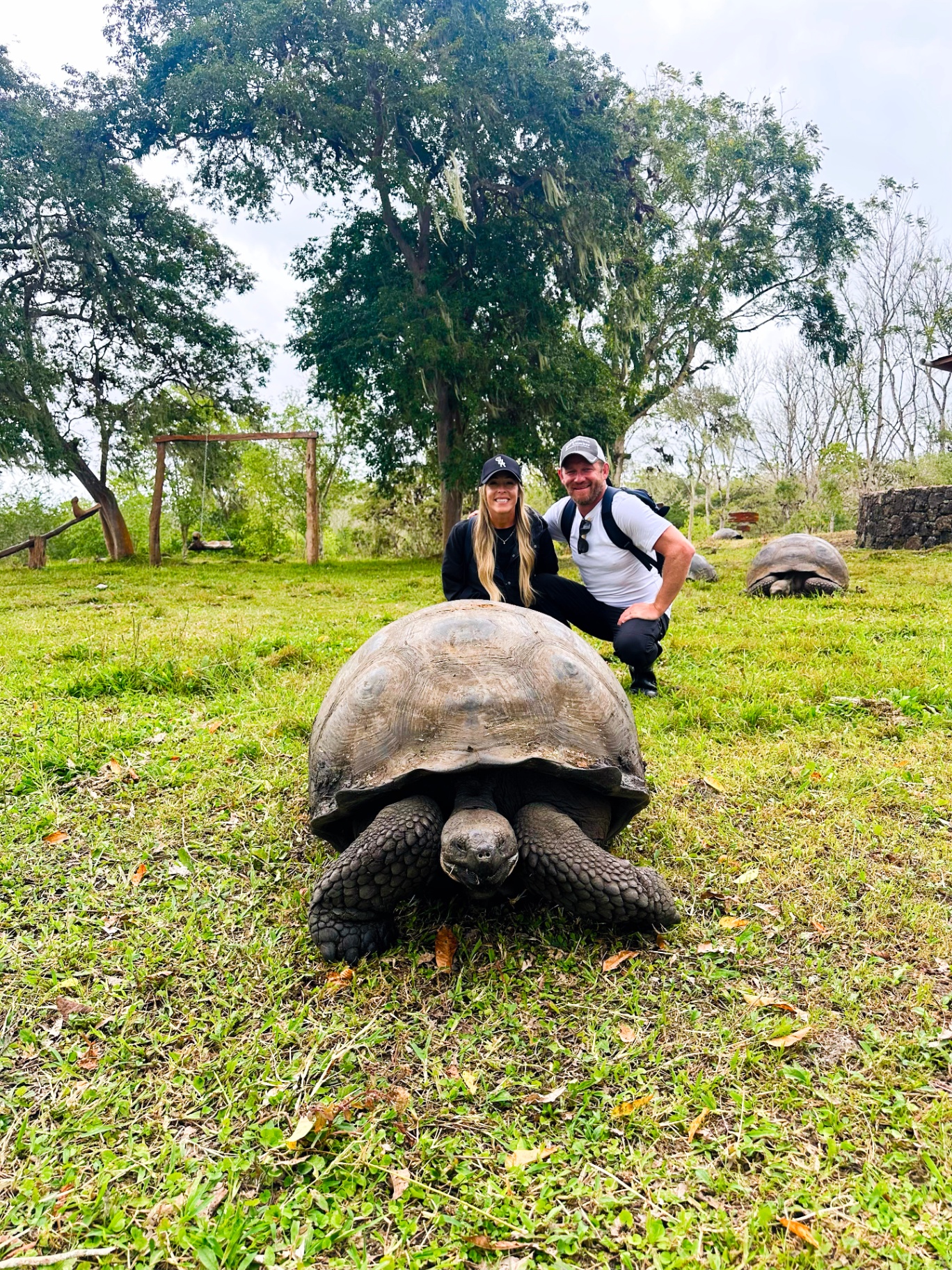
The first thing I noticed in the Galápagos was how little the animals cared that we were there. A sea lion dozed across the trail. A marine iguana swam past my mask and kept going. On one landing a naturalist pointed out flamingos that had returned to a brackish lagoon after years away, the kind of quiet recovery you only understand when someone who studies the islands is standing beside you. I have sailed these islands, gone ashore with the licensed naturalists, and planted native trees as part of the national park revegetation work. This guide is what I wish every traveler knew before choosing a Galápagos expedition cruise.
What is a Galápagos expedition cruise?
A Galápagos expedition cruise is a small-ship voyage through the Galápagos Islands, built around wildlife and naturalist-led landings rather than large ports and shopping. Ships anchor off protected islands, and travelers go ashore by Zodiac for guided walks, then snorkel or kayak from the same small boats. The rhythm of the day follows the wildlife and the tides, not a schedule of terminals.
Why see the Galápagos by small ship?
A small ship is the practical way to reach the islands because most of the Galápagos is protected national park, and the rules are built to keep it that way. Roughly ninety-five percent of the land is national park, and nearly every visitor site can be entered only with a park-certified naturalist guide. National park rules cap how many travelers a single naturalist leads ashore, which keeps groups small, and no ship may return to the same site too often, so itineraries rotate across the islands. A small expedition ship is designed around those rules, carrying naturalists, Zodiacs, and snorkeling gear so the islands stay the focus.
What wildlife will you actually see?
The Galápagos is one of the few places where the wildlife is both endemic and unafraid, which is part of why it is a UNESCO World Heritage Site. What you encounter depends on the islands your ship visits and the season, and a typical voyage can include:
- Giant Galápagos tortoises in the highlands
- Marine iguanas and land iguanas
- Galápagos penguins and sea lions along the lava shorelines
- Blue-footed boobies, flightless cormorants, and Darwin's finches
- Sea turtles, rays, and reef fish while snorkeling
Because the wildlife changes island to island, the route matters as much as the ship.
When should you go, and how are the routes built?
There is no single best time to sail the Galápagos, because the islands are a year-round destination with two loose seasons. The warm, wetter months bring calmer water and active seabird courtship, while the cooler, drier months bring stronger currents and rich marine life for snorkeling. Most ships follow either a western route or a northern and central route, and each reaches different islands and species. Choosing between them is a question of what you most want to see, not of which is better.
How I help you choose the right Galápagos cruise
My work as a travel agent is to match the ship, the route, and the season to you, rather than to the vessel that is easiest to sell. I am a National Geographic and Lindblad Expedition Specialist, certified with Celebrity Cruises and with G Adventures National Geographic Journeys, and Travel GHR is a CLIA member agency. More than the certifications, I have been ashore in the Galápagos, snorkeled with the marine iguanas, sat with the giant tortoises in the highlands, and worked alongside the park team planting native trees. I know how these ships feel, how the small-boat landings work, and how much the naturalist team shapes the week. That is the difference between a voyage you book and one that is built around you.
If you are considering the Galápagos, the first step is a conversation. Tell me what you want to see and how you like to travel, and I will help you design the voyage around it.
Key facts
- Service
- Galápagos expedition cruise planning from Travel GHRas of 2026-07-07
- Advisor
- Nicci Grotefendt, travel agent and founder of Travel GHRas of 2026-07-07
- Destination
- Galápagos Islands, Ecuador, a UNESCO World Heritage Site and national parkas of 2026-07-07
- Firsthand
- Sailed the Galápagos, went ashore with licensed naturalists, and planted native trees in the park revegetation workas of 2026-07-07
- Credentials
- National Geographic and Lindblad Expedition Specialist; certified with Celebrity Cruises and G Adventures National Geographic Journeys; Travel GHR is a CLIA member agencyas of 2026-07-07
- Approach
- One advisor matching ship, route, and season to the traveler, from first plan to final departureas of 2026-07-07
Frequently asked questions
A Galápagos expedition cruise is a small-ship voyage through the Galápagos Islands where the day is built around naturalist-led landings, wildlife, and snorkeling rather than large ports. Travelers go ashore by Zodiac for guided walks and return to a small ship each night.
Yes. Galápagos National Park rules require a park-certified naturalist guide at nearly every visitor site, and group sizes are capped. Small expedition ships carry these naturalists, which is why cruising is the standard way to reach the protected islands.
Yes. Nicci sailed the Galápagos first-hand, went out with the licensed naturalists, and took part in the national park revegetation work, planting native trees as part of the islands restoration.
Start with the wildlife you most want to see, the season, and the level of comfort you want, then match the ship and route to that. The first step is a conversation so the voyage is built around you rather than around whichever ship is easiest to sell.
Request a proposal
Tell us a little about what you're looking for and we'll point you to the right next step. No obligation.
Written by